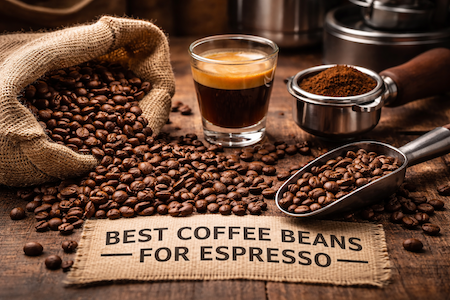
Espresso is the most honest way to drink coffee. It’s intense, high-pressure, and completely unforgiving to bad beans, whether you’re pulling shots on a home espresso machine or ordering at a café.
According to the National Coffee Association of America, espresso-based drinks have seen a 50% rise in popularity over the last eight years, especially among modern coffee drinkers and dedicated espresso drinkers.
An espresso shot can look perfect and still taste terrible. If you’ve ever pulled a beautiful shot, taken one sip, and quietly questioned your life choices, welcome to the club of espresso lovers who expected more than just strong brewed coffee in a tiny cup.
That’s because espresso puts every choice under a spotlight, starting with the beans. The wrong roast shows up as harsh bitterness, flat flavor, or a cup that just doesn’t excite.
No fancy machine or perfect technique can fix that, not even with brands like Blue Bottle Espresso, Counter Culture Coffee, or Equator Coffee if the beans aren’t right.
The good news? With the right whole bean coffee, espresso turns bold, smooth, and deeply satisfying. In this guide, we’ll show you how to choose beans that actually work for espresso, no hype, no jargon, just better shots that taste as good as they look, whether you’re making straight shots or creamy espresso drinks at home.
How to Spot Espresso Beans That Nail Your Cup
At Gurus Coffee, we have always made a checklist to make the espresso sing, because one great cup can easily beat ten mediocre ones made from different beans.
Selecting the Ideal Roast Profile
First, espresso isn’t one-size-fits-all when it comes to roast. Look for medium to dark roasts for a balanced, rich flavor and a creamy crema. A true medium roast offers sweetness and balance, while a well-developed espresso roast or dark roast coffee brings body and depth. Avoid super-dark “burnt” beans; they’ll taste bitter and mask the coffee’s natural notes, including hints of dark chocolate.
The Importance of Peak Freshness
Espresso thrives on freshly roasted beans (ideally within 2–4 weeks of roasting). Check the roast date on the bag, not just the “best by” date. Avoid pre-ground beans; grind right before brewing for maximum flavor, especially when using an espresso machine that relies on precise pressure and hot water flow.
Understanding Regional Blends
Espresso blends often combine beans from multiple origins to balance acidity, sweetness, and body, creating harmony in one coffee shot. Single-origin beans can work, but make sure the profile suits espresso: think chocolatey, nutty, caramel, or fruity tones, not too acidic or floral, especially when brewing for milk-based drinks.
Follow the Aroma
Give them a sniff. High-quality beans have a rich, aromatic smell, not stale, cardboard-like, or overly sour. Aroma often hints at what the espresso shot will taste like, especially when brewed from freshly ground beans with concentrated flavor. You’ll feel like royalty, just like you do with Coffee Guru’s coffee.
Choose Your Variety Wisely
Arabica beans dominate specialty espresso; they’re smoother and sweeter. Robusta beans are stronger, give more crema, and add caffeine punch, but can be bitter if overused. Many espresso blends mix both for balance, especially for bold espresso drinks with extra crema. Keep experimenting until you find the perfect mug that your body craves.
Listen to Your Taste Buds
Specialty roasters often note tasting notes: chocolate, cherry, caramel, nuts. Start with those descriptions and see what excites your taste buds. A perfect espresso bean is the one that makes your first sip a joy and leaves you quietly proud of your coffee skills, whether you prefer straight shots or milk-heavy café-style drinks.
From Beans to Cup: Make Every Shot Count
Now that you’ve picked the right beans, it’s time to turn them into espresso that actually tastes as good as it looks.
Grind Right
Espresso loves a fine, consistent grind. Too coarse, and your shot dribbles like it’s shy. Too fine, and it can turn bitter enough to make you question life choices before breakfast. Adjust until it flows smoothly, like liquid chocolate, especially when brewing on a home espresso machine.
Brew with Care
Evenly pack your grounds in the portafilter to ensure consistent extraction. Tamp firmly to create a balanced puck so water flows correctly. A double shot usually needs 18–20g of coffee, extracted for 25–30 seconds with water around 90–95°C. Let the extraction work its magic, this is what produces that thick, golden crema as hot water passes evenly through the coffee.
Follow Your Flavors
Let the beans guide you. Chocolatey notes pair beautifully with oat milk. Nutty flavors work well in cappuccinos. Fruity or bright beans are perfect for straight or iced espresso. Pay attention to what excites your palate, it’s the easiest way to learn what you love, especially if you switch between espresso and regular brewed coffee.
Experiment and Enjoy
Try 2–3 beans per week. Swap roasts, tweak your grind, or explore different single-origin beans from roasters like Blue Bottle Espresso, Counter Culture Coffee, or Equator Coffee. Your beans deserve better than a kitchen free-for-all, store them cool and dark, tweak your technique, and watch chaos turn into gold. That first sip? Basically a happy dance in liquid form.
The Best Coffee Beans Around the World & Their Flavors
Not every bean deserves your morning love. Some taste like liquid gold, others like a muddy misadventure. We’ve rounded up the top beans from around the world, what they taste like, and how to brew them so they actually impress.
1. Ethiopia: Yirgacheffe, Sidamo, Harrar
Floral, berry, and a touch of tea-like acidity. Perfect for pour-over, light roast espresso, or when you just want to feel fancy sipping single-origin coffee, especially if you enjoy a clean, bright cup with no sugar and a delicate finish that still delivers good espresso.
2. Colombia: Supremo, Excelso
Balanced, caramel, nutty, basically coffee’s comfort food. Great for espresso blends or your daily drip without any surprises, whether you’re brewing a smooth latte or reaching for an easygoing cup straight out of the box.
3. Kenya: Kenya AA, Peaberry
Bright, citrusy, lively. Pour-over or medium-roast espresso works best if you like your coffee to wake up your taste buds before your alarm does, with a sharp bit that espresso lovers often crave.
4. Brazil: Santos, Bourbon
Chocolatey, nutty, low acidity. The reliable wingman for dark roast espresso or creamy milk drinks, basically the cozy blanket of coffee beans, delivering a rich, oily mouthfeel and full-bodied comfort in every cup.
5. Guatemala: Antigua, Huehuetenango
Rich, cocoa-y, with subtle spice. Ideal for balanced espresso or full-bodied drip coffee. Bonus: smells like you’re in a fancy café, even if you’re in your pajamas, and holds up beautifully in milk-based recipes with or without sugar.
6. Sumatra: Mandheling, Gayo (Aceh)
Earthy, herbal, heavy-bodied, low acidity. Best in darker roasts or bold espresso shots, perfect if your coffee needs to match your Monday mood and deliver a deep, intense bite with a thick, oily body.
7. Panama: Geisha (Gesha)
Floral, jasmine, tropical fruit notes. Treat like royalty: pour-over or light roast to savor every delicate nuance, especially if you want a refined cup that proves good espresso doesn’t always mean heavy or bitter.
8. Jamaica: Blue Mountain
Mild, balanced, and clean-tasting. Let it steep slowly, and you’ll swear your cubicle just got a first-class upgrade, making it an easy favorite for coffee drinkers who want elegance without added sugar.
9. Yemen: Mocha Mattari, Sanani
Winey, complex, dried-fruit notes. Ideal for slow-brew or medium espresso for a coffee that says, “I’m fancy and mysterious,” and pairs surprisingly well with a lightly sweetened latte.
10. Costa Rica: Tarrazú, Caturra
Bright, clean acidity with citrus and chocolate hints. Versatile for drip, pour-over, and medium espresso, basically the Swiss Army knife of beans that works whether you’re brewing at home or straight from a boxed café brew.
Many specialty sellers, including Coffee Guru, source beans from these regions to highlight how origin shapes espresso flavor and how the same beans can taste wildly different across roasts.
Quick Tip: Grab whole beans, peek at the roast date, and match roast to your brew, light for pour-over, medium for espresso, dark for rich, low-acid shots. Grind just before brewing, because stale coffee is basically sad coffee.
Wrap-Up
Great espresso isn’t about owning a counter full of shiny gadgets; it’s about not sabotaging yourself before 8 a.m. Start with fresh, whole beans, pick a balanced roast, and grind right before brewing.
Blends play nicely with milk, single-origin beans like the spotlight, and most problems can be fixed by tweaking the grind, not spiraling.
When you get the basics right, the chaos fades, leaving smooth shots, rich crema, and a consistently good morning cup that keeps coffee drinkers coming back for more.
Tried a new bean or roast after reading this? Tell us how it turned out. The Gurus Coffee community loves swapping espresso stories, wins, and lessons from the cup.
Leave a Reply